

When it comes to safety measures in buildings and public spaces, emergency lighting is an essential component. This guide will explore everything you need to know about emergency lighting circuits, focusing on the functionality, components, and importance of such systems. It will also answer the key question, "What do emergency lighting circuits often use?" Along the way, we'll introduce you to pertinent terms, such as "emergency light," "emergency light battery," and "light LED emergency," to paint a complete picture of this vital topic.
Emergency lighting refers to the lighting fixtures that remain operational during a power outage or other emergency situations. These lights guide individuals to safety, ensuring smooth evacuations from buildings or confined spaces. Emergency lighting is more than just a convenience—it's a life-saving feature mandated by safety codes in commercial, industrial, and residential buildings.
Emergency light systems come in various types to meet different safety needs and settings. One common type is the standalone emergency light, which operates independently with built-in batteries and activates immediately during a power loss. Another option is the centrally powered emergency light system that connects to a central battery source, offering reliable backup for larger buildings. Modern advancements have also led to LED-based emergency light fixtures, which are energy-efficient, long-lasting, and highly effective in providing illumination during critical situations. Selecting the right emergency light system depends on factors such as building size, usage, and compliance with safety regulations.
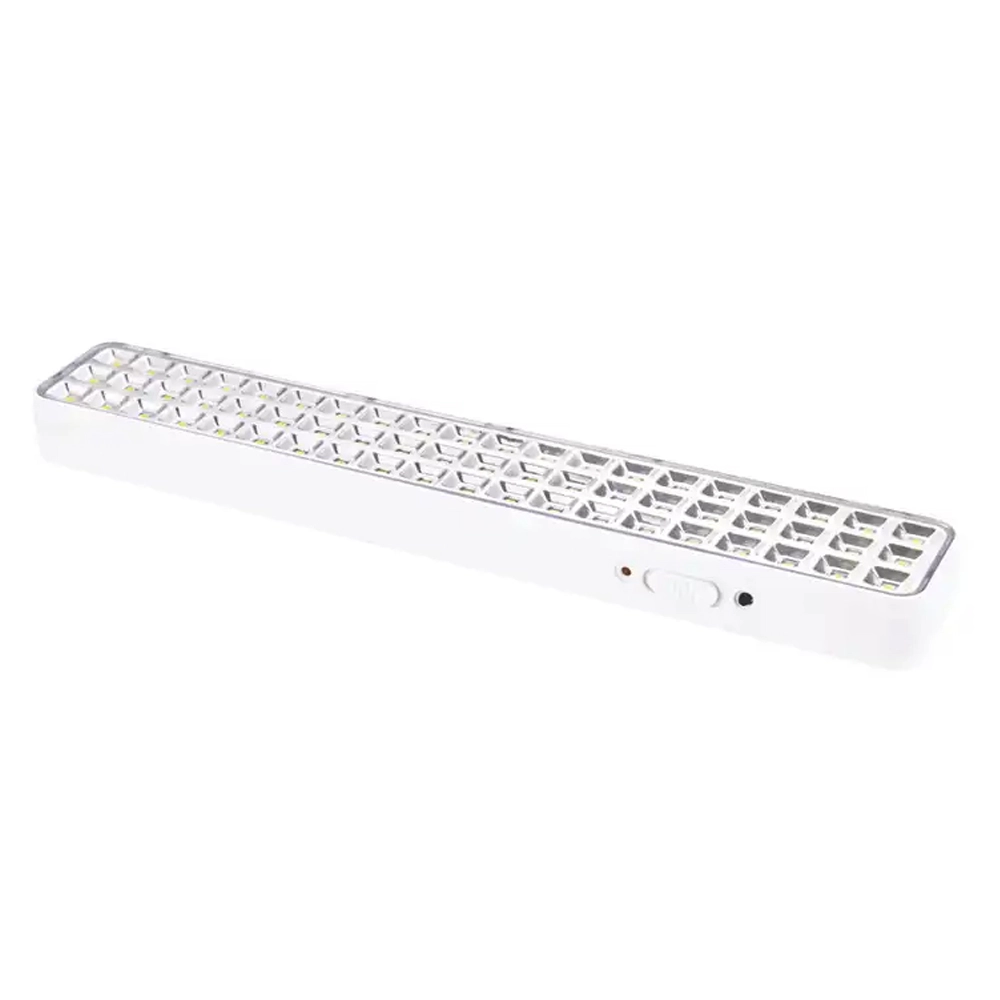
The primary function of emergency lighting circuits is to activate emergency lights when the main power supply fails. Here's a simplified process that explains how these circuits work:
Emergency lighting circuits rely heavily on specialized components and technologies to ensure readiness and reliability. Below are the key elements often used:
Emergency lighting circuits often utilize dedicated batteries, such as lithium-ion or nickel-cadmium. These batteries must meet rigorous standards for safety and performance to function reliably in critical situations.
LEDs are widely used in emergency lighting circuits due to their energy efficiency and longevity. They can operate effectively for extended periods on limited battery power.
Wiring and enclosures used in these circuits are typically made of fire-resistant materials. This ensures the system remains functional even in hazardous conditions, such as during a fire.
Many modern emergency lighting systems incorporate smart technologies. These features allow for automated testing, remote monitoring, and seamless integration with other safety systems.
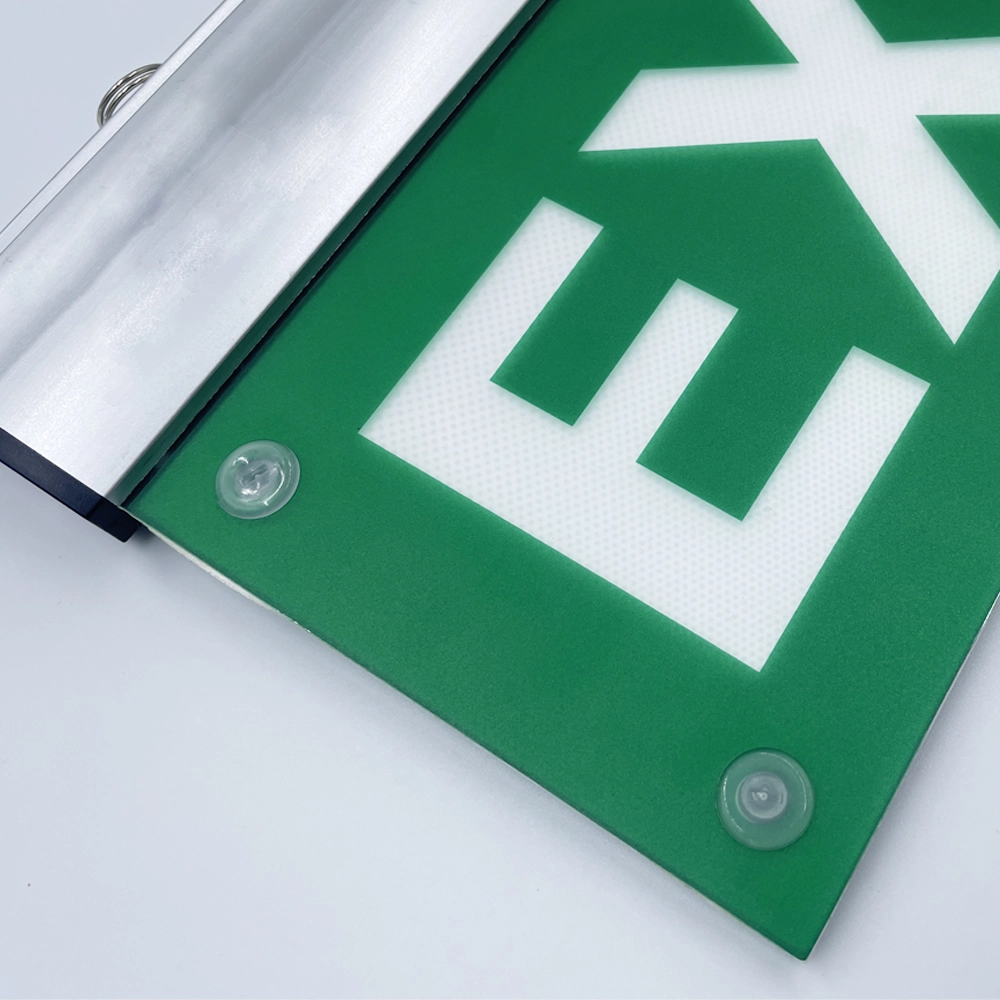
An emergency light system rarely works alone. Emergency Exit Sign units are usually integrated into the same safety network. The circuit design ensures that emergency light fixtures illuminate walkways while Emergency Exit Sign units clearly mark exits.
Normal lighting power fails
Emergency lighting circuits detect the failure
Backup power activates
Emergency light fixtures illuminate escape routes
Emergency Exit Sign remains visible and illuminated
This coordinated operation is what makes emergency light and Emergency Exit Sign systems so effective in real emergencies.
Emergency lighting circuits must comply with national and international safety standards. These standards specify:
Minimum illumination levels for emergency light
Required operating time (often 90 minutes or more)
Placement of Emergency Exit Sign units
Testing and maintenance requirements
Proper circuit design ensures that every emergency light and Emergency Exit Sign meets these standards consistently.
Even the best emergency light system requires regular testing. Emergency lighting circuits often include test switches or self-diagnostic features to verify system readiness.
Batteries are charged
Emergency light activation is immediate
Emergency Exit Sign visibility is maintained
Circuit components are functioning properly
Neglecting maintenance can compromise emergency light performance and lead to non-compliance.
Commercial buildings
Shopping malls
Hospitals and healthcare facilities
Schools and universities
Industrial plants
Hotels and public venues
In each case, emergency light and Emergency Exit Sign systems play a vital role in protecting occupants during emergencies.
Emergency lighting circuits often use dedicated power supplies, battery backup systems, automatic transfer devices, fire-resistant wiring, and independent circuit designs. These components ensure that each emergency light and Emergency Exit Sign operates reliably during power failures or emergencies, providing safe illumination and clear exit guidance.
When selecting emergency light and Emergency Exit Sign systems, quality and reliability should be top priorities. Proper circuit design, durable components, and compliance with safety standards are essential for long-term performance.
Instant activation
Consistent illumination
Long operational life
Regulatory compliance
For dependable emergency light and Emergency Exit Sign solutions, YuanHe is a trusted choice. YuanHe focuses on high-quality emergency light systems, reliable Emergency Exit Sign designs, and compliant emergency lighting circuits suitable for a wide range of applications.
Email: kate@worldyuanhe.com
Email: helen@worldyuanhe.com
Phone: +86-13427117019
Phone: +86-15992108555
Choosing YuanHe ensures your emergency light and Emergency Exit Sign systems are built for safety, reliability, and long-term performance when it matters most.
